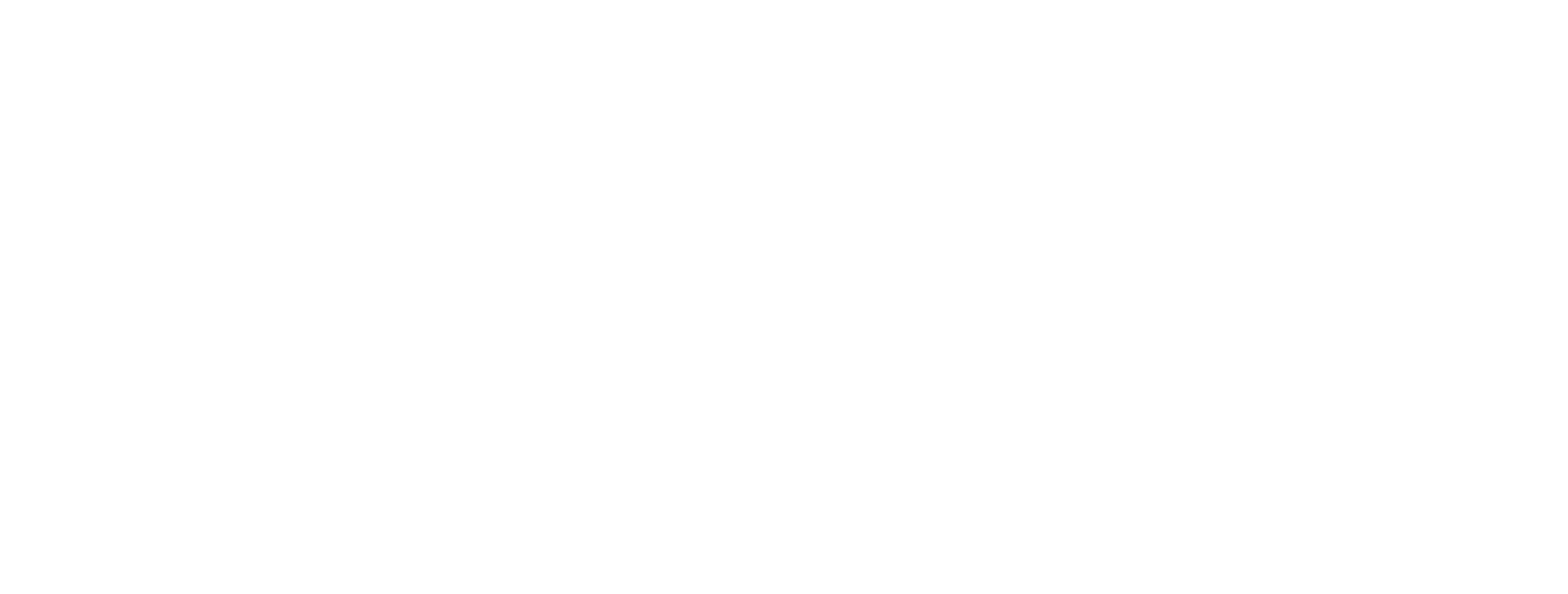


Television interview / BFM Business
China+1 is a question of industrial architecture, not simply a choice of another country.
In this BFM Business interview, Mickaël Driol discusses Vietnam’s role alongside China in Asian industrial networks. The conversation provides a starting point for examining diversification, supplier capability and the practical requirements of a regional production strategy.

A French television and radio broadcaster specialising in economics, business and financial markets.
China+1 and Vietnam’s industrial role
Mickaël Driol discusses diversification, industrial capabilities and Vietnam’s role alongside China in Asian production networks.
Interview details
- Guest
- Mickaël Driol, CEO of Mekong Partners
- Broadcaster
- BFM Business
- Format
- Television interview
Business perspectives
Diversification without losing industrial depth.
Reduce concentration
Diversification can reduce single-country exposure without treating withdrawal from China as the starting point.
Protect industrial capability
Supplier networks, engineering, machinery and technical expertise shape what a second location can support.
Define Vietnam’s role
Assess Vietnam as a complementary production platform within a wider regional network.
Mekong Partners perspective
Build a diversification decision around the production system.
A useful review starts with the role of each activity: manufacturing, assembly, tooling, engineering, procurement and customer fulfilment. Moving a process does not automatically move the expertise, inputs or support on which that process depends. Map those dependencies before drawing a regional footprint.
What exposure are you actually reducing?
Separate supplier concentration, geography, transit routes, capacity constraints and customer requirements. Identify which risks a second location changes and which remain shared across the network. A different factory address can still depend on the same upstream inputs.
Which capabilities must travel with the process?
Document tooling, process knowledge, maintenance, quality control, technical staffing and the supply of critical materials. Assign responsibility for qualification and assess how much support the new location needs during ramp-up.
What is the cost of running two systems?
Review inventory, duplicated resources, oversight, logistics and transition effort alongside quoted unit costs. Test assumptions under slower qualification, lower initial utilisation and delayed customer approval rather than relying on one optimistic scenario.
Stage the decision through a limited pilot, evidence-based scale-up gates and a continuity plan for existing production. Customs, origin, legal and technical conclusions require appropriate specialist validation; they should not be inferred from a high-level country comparison.
Turn the regional map into a decision.
Bring the product scope, current footprint and concentration concern. We can help structure the commercial and operating questions, identify evidence gaps and sequence the next review.